Annual Seminars & National Conferences
Each year, the Nebraska Institute of Forensic Sciences collaborates with leading universities and professional bodies to offer accredited seminars and national conferences—providing up to 20 continuing education hours. Covering topics such as terrorism investigations, bloodstain pattern analysis, and DNA law, our programmes are open to investigators, scientists, lawyers, and healthcare professionals from under-represented communities around the globe.

Each year, leading investigators, clinicians and barristers converge at our symposium series to tackle novel evidentiary issues, demonstrate advanced analytical tools, and nurture cross-sector partnerships. Delegates experience demanding coursework, candid discussion, and immediately transferable skills.
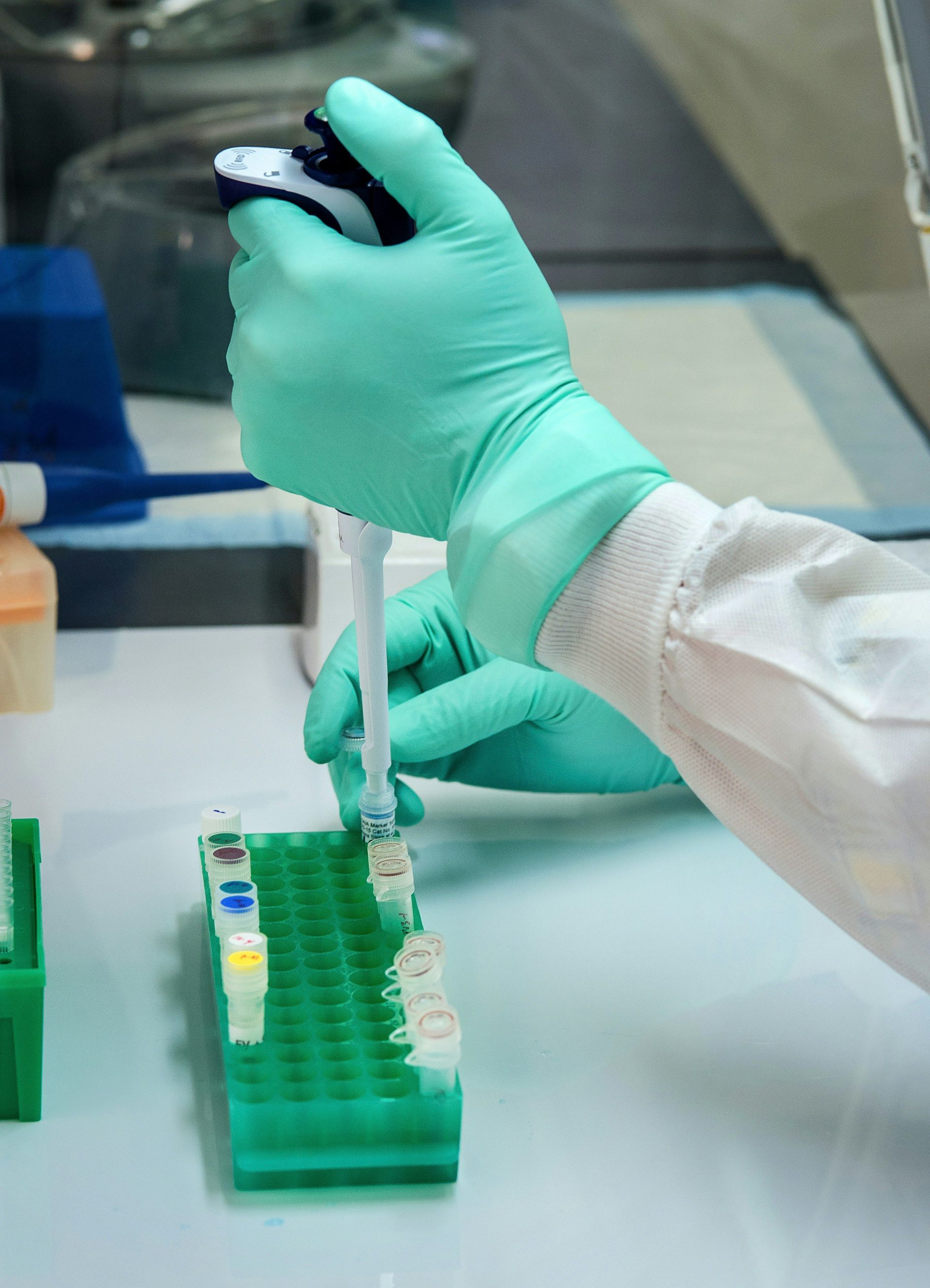
National Conference: Investigating Terrorism, Explosive & Bombing Incidents, Shooting Reconstruction & Cold Cases
December 9th-11th 2004
Location: Adam’s Mark Hotel & Resorts, 1200 Hampton Street, Columbia, SC
Co-Sponsored by: South Carolina Coroners’ Association
Continuing Education:
20 CEU credit hours available for:
- Law Enforcement Personnel
- Criminal & Civil Attorneys
- Healthcare Professionals
- Funeral Directors
- Psychologists & Psychiatrists
- Forensic Scientists
- Coroners & Medical Examiners
Program Overview
This conference provides foundational training in the investigation of terrorism, explosive and bombing incidents, shooting reconstruction, and cold case investigations. Through scientific principles and real-world case studies, attendees will learn practical investigative techniques applicable to crime scenes and forensic investigations.
The course is designed for investigators, crime scene technicians, forensic scientists, attorneys, medico-legal investigators, and healthcare professionals. No minimum educational requirements are required to attend.
Learning Objectives
Participants will learn to:
Conduct thorough investigations of terrorism, bombing, shooting, and cold case incidents.
Understand the history, development, and investigative methods related to terrorism, bombings, shootings, and cold cases.
Recognize the limitations of forensic investigations.
Properly recognize, document, collect, preserve, and examine evidence.
Apply scientific methods and investigative principles to crime scene analysis.
Interpret forensic evidence and investigative findings.
Crime & Death Scene Reconstruction
September 15th-17th 2004
Utilizing Bloodstain Pattern Analysis Laboratory Session
Where: Veterans Affairs Medical Center, Auditorium, Lincoln, Nebraska
Co-Sponsored by: Lancaster County Attorneys’ Office, Nebraska Forensic Medical Services, P.C.
This course is expected to be accredited up to twenty contact hours of continuing credits for Law Enforcement, Criminal and Civil Lawyers, HealthCare Professionals, Psychologists and Psychiatrists, and Forensic Scientists and Coroners/Medical Examiners.
Program purpose
The purpose of this program is to provide a basic and fundamental knowledge in the field of bloodstain pattern interpretation and to illustrate the scientific principles and practical applications of bloodstain patterninterpretation to casework. The course of instruction is designed for investigators, crime scene technicians, forensic scientists, attorneys and medico-legal investigators. There is no minimum educational standard for those who decide to attend this program.
Program objectives
Upon completion of this basic course on the geometric interpretation of human bloodstain patterns students should:
- Understand the development, history and advancement of bloodstain patterns interpretation.
- Understand the inherent limitations of bloodstain pattern interpretation.
- Be able to recognize, document, collect, preserve and examine bloodstain pattern evidence.
- Understand how bloodstain pattern interpretation interrelates to other forensic disciplines and information.
- Have acquired a basic and /or renewed understanding of the scientific method and the laws of physics, which directly apply to bloodstain pattern interpretation.
- Be able to recognize and interpret the mechanism by which basic bloodstain patterns are created.
- Have acquired first-hand knowledge of how blood reacts under various known conditions.
- Have an understanding how the mathematical relationships, which apply directly to bloodstain pattern interpretation specifically, angle of impact determination(s) and three dimensional determinations.
- Be acquainted with the practical aspects of bloodstain pattern interpretation.
- Be capable of conducting a “basic” bloodstain interpretation.
Conference Faculty
- Dr. Matthias I. Okoye, M.D., J.D.
- Dr. Michael Baden, M.D.
- Mr. Paul Erwin Kish, M.S.

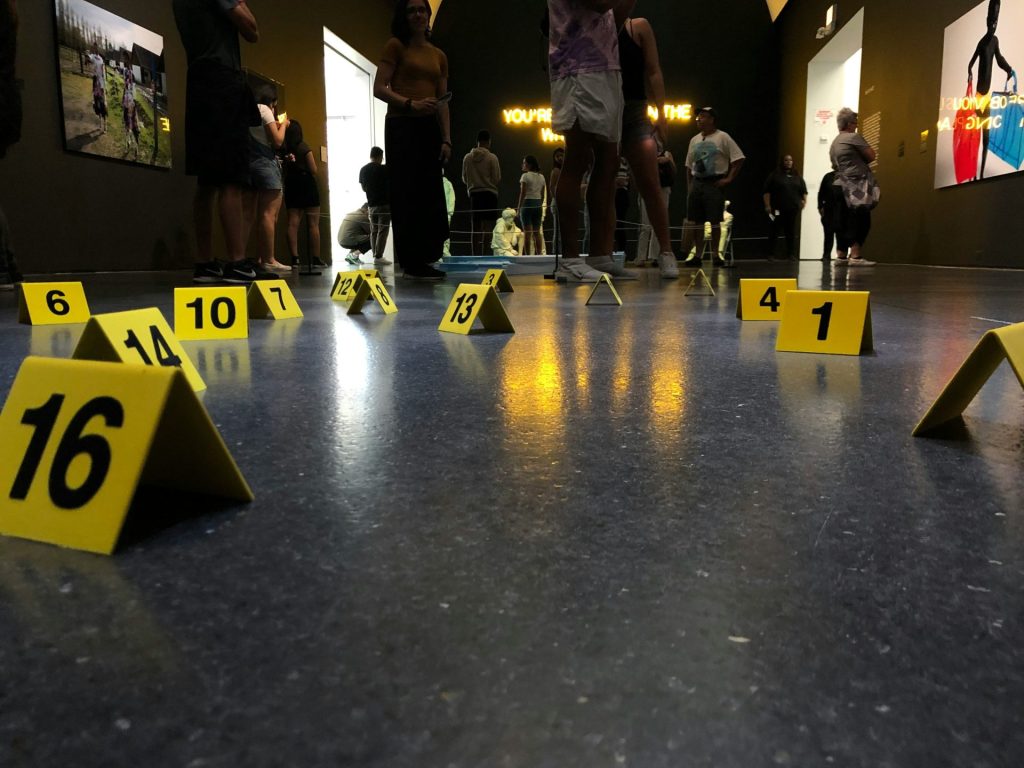
Crime & Death Scene Reconstruction: Utilizing Bloodstain Pattern Analysis
March 24th-26th 2004
Location: Veterans Affairs Medical Center Auditorium, Lincoln, Nebraska
Co-Sponsored by: Lancaster County Attorneys’ Office & Nebraska Forensic Medical Services, P.C.
Continuing Education:
Up to 20 CEU contact hours available for:
- Law Enforcement Personnel
- Criminal & Civil Attorneys
- Healthcare Professionals
- Psychologists & Psychiatrists
- Forensic Scientists
- Coroners & Medical Examiners
Program Overview
This course provides foundational training in bloodstain pattern analysis, focusing on the scientific principles and practical application of bloodstain interpretation in crime scene investigations. Designed for investigators, crime scene technicians, forensic scientists, attorneys, and medico-legal investigators, the program requires no minimum educational qualifications.
Learning Objectives
Participants will learn to:
- Understand the history, development, and limitations of bloodstain pattern analysis.
- Recognize, document, collect, preserve, and examine bloodstain evidence.
- Apply scientific principles, physics, and mathematics to bloodstain interpretation.
- Determine angle of impact and three-dimensional bloodstain trajectories.
- Interpret how blood behaves under different conditions.
- Conduct basic bloodstain pattern analysis and integrate findings with other forensic disciplines.
Conference Faculty
- Matthias I. Okoye
- Michael Baden
- Paul Erwin Kish
- Stuart H. James
Forensic Science, DNA, and the Law: Reining in the Revolution
June 19th-20th 2003
Location: Veterans Affairs Medical Center Auditorium, Lincoln, Nebraska
Co-Sponsored by: Lancaster County Attorneys’ Office, Nebraska Association of County Attorneys & Nebraska Medical Association
Continuing Education:
16 CEU/AMA/CLE credit hours available for:
- Law Enforcement Personnel
- Healthcare Professionals
- Psychologists & Psychiatrists
- Criminal & Civil Attorneys
- Forensic Scientists
- Coroners & Medical Examiners
Program Overview
This national conference explores the capabilities, limitations, and legal implications of DNA testing in forensic investigations. Bringing together leading experts from law, medicine, and forensic science, the program focuses on the collection, preservation, analysis, and courtroom use of DNA evidence in both criminal investigations and post-conviction cases.
Learning Objectives
Participants will learn to:
- Understand the role of DNA testing in modern forensic investigations.
- Recognize the legal, technological, economic, and policy limitations of DNA evidence.
- Apply best practices for the collection, preservation, testing, and interpretation of DNA evidence.
- Explore model approaches to DNA testing and forensic investigations.
- Strengthen collaboration between medical, legal, forensic, and law enforcement professionals in the use of DNA evidence.
Conference Faculty
- Matthias I. Okoye
- Michael Baden
- Kirk Bloodsworth
- John Gale
- Kirk Naylor Jr.
- Linda B. Kenney
- Gary Lacey
- Henry C. Lee
- S. Sandy Sanbar
- Barry C. Scheck
- Jack W. Snyder
- James H. Spears
- James E. Starrs
- Cyril H. Wecht
- Victor W. Weedn
- Michael Welner
Download Our Detailed Brochure Now
Get a concise overview of courses, faculty profiles, fees, and enrollment dates.
World-Renowned Faculty Expertise
Learn directly from pioneers of forensic innovation.
Interactive Hands-On Case Workshops
Practice skills using authentic investigative material.
Collaborative Peer Networking Hub
Build alliances with experts across scientific disciplines.
Advance your career—reserve your seat today and learn about our scholarship programme for historically under-represented students and professionals.
Seats fill quickly—register early.
Address
6821 Southfork Circle
Lincoln Nebraska 68516,
USA